
Sunlight Meditation: Harnessing Morning Light for Hormonal Balance and Well-Being

advertisements
Sunlight Meditation is the most effective biological bridge between ancient mindfulness traditions and the modern science of circadian rhythm optimization for peak human performance.
By aligning your internal clock with the specific wavelengths of dawn, you unlock a powerful hormonal cascade that dictates your mood, energy, and sleep quality for the next twenty-four hours.
Summary: What to Expect
- The neurobiology of morning light exposure and the SCN.
- The relationship between cortisol, melatonin, and serotonin.
- A step-by-step guide to practicing Sunlight Meditation.
- Comparative data on light intensity and hormonal triggers.
- Practical strategies for urban dwellers and varying climates.
What is Sunlight Meditation and How Does it Work?
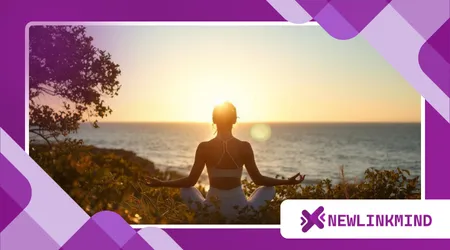
At its core, Sunlight Meditation is the practice of intentional presence while exposing the retina and skin to low-angle solar radiation during the first hour of the day.
Unlike standard meditation, this technique utilizes specific photons to trigger the suprachiasmatic nucleus (SCN) in the brain.
This practice capitalizes on “blue-enriched” light found in the early morning. These wavelengths are essential for suppressing melatonin production and initiating the cortisol awakening response (CAR), which provides natural, jitter-free energy.
Why is Morning Light Essential for Hormonal Balance?
Hormonal health depends on the timing of light exposure as much as the intensity itself. Sunlight Meditation ensures that your “cortisol pulse” happens early, preventing the dreaded mid-afternoon energy crash that plagues modern office workers.
Recent clinical studies emphasize that early light exposure increases serotonin synthesis. Since serotonin is the direct chemical precursor to melatonin, your morning Sunlight Meditation session effectively “programs” your ability to fall asleep twelve hours later.
Without this solar anchor, the human body enters a state of “circadian drift.” This leads to metabolic dysfunction, chronic mood swings, and systemic inflammation because your organs no longer know what time it is.
How Does Sunlight Meditation Affect Mental Health?
The psychological benefits of Sunlight Meditation go far beyond simple relaxation or “mindfulness.” Research from the National Center for Biotechnology Information demonstrates that light therapy effectively treats Seasonal Affective Disorder and non-seasonal clinical depression.
By focusing on the breath while bathing in natural light, you stimulate the production of beta-endorphins. This combination creates a “flow state” that enhances cognitive flexibility and reduces the frequency of intrusive, anxious thoughts throughout your workday.
Furthermore, Sunlight Meditation reduces activity in the amygdala, the brain’s fear center. This allows for better emotional regulation, making you more resilient to workplace stress and interpersonal conflicts that usually drain your mental battery.
What are the Optimal Conditions for Practice?
To maximize the efficacy of Sunlight Meditation, timing is everything. You should aim for the “Golden Hour,” specifically the first 30 to 60 minutes after the sun rises above the horizon.
During this window, the atmosphere filters out harmful UVC rays while allowing beneficial infrared and low-level blue light to pass.
This specific spectrum is gentle on the eyes and highly effective for cellular repair and mitochondrial health.
Read more: For People Who Hate Mornings: A Gentle Meditation Practice
Consistency matters more than duration. Ten minutes of daily Sunlight Meditation is significantly more beneficial than an hour-long session once a week because your biological clock craves a predictable, daily environmental “re-sync.”
Technical Data: Light Intensity and Biological Impact
| Light Source | Typical Lux Intensity | Impact on Cortisol | Impact on Melatonin |
| Dim Indoor Office | 300 – 500 Lux | Minimal / Weak Pulse | Partial Suppression |
| Overcast Morning | 1,000 – 5,000 Lux | Moderate Stimulation | Effective Suppression |
| Direct Morning Sun | 10,000 – 50,000 Lux | Peak Awakening Pulse | Total Suppression |
| Midday Full Sun | 100,000+ Lux | High (Risk of Burn) | Total Suppression |
When Should You Avoid Direct Exposure?
While Sunlight Meditation is generally safe, solar timing must be respected. Once the sun reaches its zenith, the UV index rises significantly, increasing the risk of DNA damage and skin aging.
Practitioners should avoid looking directly at the sun, especially as it climbs higher in the sky. The goal of Sunlight Meditation is to receive ambient light through the eyes, not to cause retinal thermal injury or discomfort.
See how interesting: The Best Times of Day to Meditate at Work
If you have photosensitivity or are taking certain medications, consult a physician. However, for the majority of people, the low-angle light of dawn provides a safe, therapeutic window for deep hormonal recalibration.
Which Techniques Enhance the Experience? Sunlight Meditation
Combining box breathing with Sunlight Meditation creates a synergistic effect on the nervous system. Inhale for four seconds, hold for four, exhale for four, and hold the empty lungs for four.
Another powerful method is “Peripheral Gazing.” Instead of focusing on a single point, soften your eyes and take in the entire horizon.
This triggers the parasympathetic nervous system, inducing immediate physiological calm and mental clarity.
You may also incorporate “Solar Visualizations.” Imagine the light entering your forehead and traveling down your spine.
++ How Cultural Background Influences Meditation at Work: A Diversity-Inclusive Guide
This mental focus deepens the connection between the external environment and your internal state, grounding your energy.
Conclusion: A Bright Future for Your Health
Embracing Sunlight Meditation is perhaps the simplest, most cost-effective biohack available in 2026. It requires no expensive equipment, only a willingness to step outside and reconnect with the natural world’s rhythm.
By prioritizing this practice, you take control of your circadian biology. You will notice improved sleep, sharper focus, and a more stable mood. The sun is your most ancient ally in the quest for modern wellness.
Start tomorrow. Set your alarm, find a quiet spot with a clear view of the eastern sky, and let the light do the work. Your body will thank you for the clarity.
For further reading on the science of light and health, explore the Huberman Lab Toolkit for comprehensive protocols on circadian optimization.

FAQ: Frequently Asked Questions
Can I practice through a window?
No. Standard window glass filters out specific blue light wavelengths and infrared energy required for the full biological effect. For effective Sunlight Meditation, you must be outdoors or have the window open.
What if it is cloudy or raining?
Even on overcast days, the Lux intensity outdoors is significantly higher than indoors. You may need to extend your Sunlight Meditation to 20 or 30 minutes to achieve the same hormonal effect.
Do I need to wear sunscreen?
During the very early morning hours (the first 30 minutes of light), the UV index is typically low enough that sunscreen is not required for a short 10-minute session.
Can I use a light box instead?
A 10,000 Lux light box is a viable alternative during winter months or in high-latitude regions. However, natural Sunlight Meditation provides a full-spectrum experience that artificial lights cannot perfectly replicate.
How soon will I see results?
Most people report improved alertness and better sleep within three to five days of consistent practice. Long-term hormonal stabilization typically occurs after three weeks of daily morning exposure.
++ Sunlight Meditation: Harnessing Morning Light for Hormonal Balance and Well-Being