
Yoga for Seniors with Neuropathy: Gentle Foot Awareness Work
advertisements
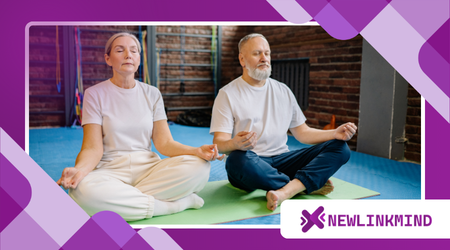
Practicing Yoga for Seniors with Neuropathy offers a transformative approach to managing chronic nerve pain while improving overall mobility through focused, gentle foot awareness exercises.
Summary
- The Neuropathy Reality: Moving beyond the clinical definition to the daily impact on balance.
- Neural Plasticity: Why the mind-body connection acts as a secondary sensory map.
- Proprioceptive Toolkit: Specific movements designed to re-engage dormant nerve endings.
- Strategic Safety: Practical adjustments for practitioners with significant sensory loss.
- Empirical Insights: How gentle movement alters the trajectory of age-related nerve decay.
- Home Integration: Creating a sustainable routine that transcends the yoga mat.
What is Neuropathy and Why Does it Affect Seniors?
Peripheral neuropathy is often described as a technical malfunction of the nervous system, but for many seniors, it feels more like a slow disconnection from the world beneath their feet.
This damage to the peripheral nerves—often a byproduct of long-term glucose fluctuations or vascular narrowing—strips away the nuanced feedback the brain requires to navigate gravity safely.
When the soles of the feet become silent, the brain is forced into a state of perpetual guesswork. This isn’t just a medical inconvenience; it is a fundamental shift in how one occupies space.
The resulting insecurity often leads to a “cautious gait,” which ironically increases fall risks by making the body more rigid.
It’s a frustrating paradox where the body’s attempt to protect itself actually invites more danger.
Engaging in targeted movement helps bridge this sensory gap. By focusing on blood flow and intentional neural stimulation, we aren’t just stretching muscles; we are attempting to keep the communication lines open between the extremities and the motor cortex.
How Does Yoga Improve Nerve Function in Feet?
Yoga operates on the principle of somatic awareness—essentially teaching the brain to “see” with the body when the nerves are failing to “feel.”
It’s an exercise in neural redundancy. While nerve damage might be irreversible in some cases, the way the brain interprets the remaining signals is remarkably plastic.
Beyond the nerves themselves, yoga tackles the secondary stiffening of the fascia. When we stop moving because of discomfort, the connective tissues shorten, creating a physical “armor” that further compresses sensitive pathways.
Rhythmic, mindful movement keeps these tissues supple, ensuring that what circulation remains can reach the distal points of the toes.
What Are the Best Yoga Poses for Foot Awareness?
The following exercises are curated specifically to maximize sensory feedback while respecting the physical limitations of the senior body. They prioritize stability over complexity.
- Supported Tadasana (Mountain Pose): Standing with the back against a wall, focusing on pressing the big toe mound, the pinky mound, and the center of the heel into the floor.
- Seated Toe Fan: While sitting, attempt to spread the toes as wide as possible, holding for five seconds to stimulate the interosseous muscles.
- Ankle Alphabet: Drawing letters with the big toe to move the ankle through its full range of motion, which encourages lymphatic drainage and reduces swelling.
- Seated Heel-to-Toe Rocking: Alternating between lifting the heels and lifting the toes to wake up the calves and anterior tibialis.
- Towel Scrunches: Using the toes to pull a towel toward the body, which strengthens the intrinsic foot muscles and heightens tactile engagement.
The Impact of Mindful Movement
| Metric | Focus Area | Real-World Application |
| Gait Stability | Proprioception | Smoother transitions on uneven surfaces |
| Pain Threshold | Sensory Integration | Reduction in the perception of “sharp” nerve spikes |
| Vascular Health | Distal Circulation | Warmer extremities and improved skin integrity |
| Autonomy | Confidence | Reduced reliance on mobility aids for short distances |
Why is Mindful Movement Critical for Pain Management?
There is something unsettling about the way chronic nerve pain can dominate a person’s mental landscape. It creates a “noise” that is difficult to ignore.
++ Yoga for Seniors Exploring Micro-Movements for Joint Relief
Yoga serves as a volume knob for this noise. By shifting the focus from the pain to the intentionality of movement, the nervous system begins to prioritize motor signals over pain signals.
The breath acts as the primary tool for down-regulating the sympathetic nervous system. Neuropathy often keeps the body in a low-grade “fight or flight” mode because of the constant discomfort.
Deep, diaphragmatic breathing signals to the brain that the body is safe, which can naturally lower the intensity of neuropathic flare-ups.
According to the National Center for Complementary and Integrative Health, integrative practices like yoga are increasingly recognized as viable components of chronic pain protocols because they address the psychological and physical aspects of the condition simultaneously.
Which Safety Precautions Should Seniors Follow?
Visual checks are non-negotiable. Because neuropathy can mask injury, a senior might not feel a blister or a small cut caused by a yoga prop.
It is essential to inspect the feet before and after every session. It’s a simple habit that prevents minor irritations from becoming serious infections.
Proprioception is often compromised, so the “no pain, no gain” philosophy is dangerous here.
If a movement causes a sudden increase in tingling or numbness, it’s a sign that a nerve is being compressed or overstretched. The goal is gentle stimulation, not endurance.
Always use a “security” prop. Even if you feel balanced, have a sturdy chair or a wall within arm’s reach.
Rrad here: Yoga for Seniors to Maintain Independence and Daily Functioning
The vestibular system can be unpredictable when the feet aren’t providing accurate data, and a sudden dizzy spell or loss of footing can happen in an instant.
When Should You Practice Foot Awareness Exercises?
There is a specific kind of morning stiffness that plagues neuropathic limbs. Performing a short sequence immediately after waking can “prime” the nerves for the day, making the first few steps of the morning less jarring and more stable.
Alternatively, an evening practice can address the “night pain” that many seniors report.
Gentle ankle circles and toe stretches can help dissipate the restless energy that often accumulates in the legs toward the end of the day, leading to a more restful sleep cycle.
++ Return-to-office meditation: calming your commute and nerves
The key is frequency over duration. A five-minute session performed twice a day is infinitely more beneficial for neural pathways than a single sixty-minute class once a week. The brain needs constant reminders of these connections to keep them active.
What Role Does Visual Feedback Play in Yoga?
When the nerves stop sending reliable data, the eyes must take over. In yoga, this is often called “Drishti,” or a focused gaze.
For someone with neuropathy, looking at their feet while they move isn’t “cheating”—it’s a vital corrective measure.
Watching your toes move as you command them to do so provides the brain with the confirmation it needs to reinforce those motor pathways.
It creates a closed loop: the brain sends the signal, the eyes see the movement, and the neural connection is strengthened despite the lack of a “feeling” from the nerve.
This visual reliance eventually builds into a different kind of confidence. It moves the practitioner from a state of fearing the ground to a state of observing it.
This psychological shift is often just as important as the physical benefits of the poses themselves.
How to Build a Home Sequence Safely? Yoga for Seniors with Neuropathy
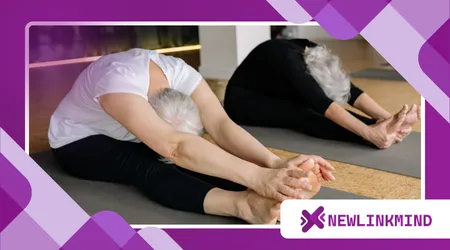
A sustainable home sequence should always begin in a seated position. This eliminates the risk of falling while the body is still warming up.
Spend the first few minutes simply breathing and mentally “scanning” the feet, acknowledging where sensation exists and where it is absent.
Progress to the toe and ankle movements mentioned earlier, ensuring each repetition is slow and deliberate.
If balance feels particularly strong that day, move to standing poses like Mountain Pose, but keep one hand on a chair. This isn’t a sign of weakness; it’s a sign of an intelligent, responsible practice.
End the session with a moment of stillness. Neuropathy can be exhausting, and giving the nervous system time to settle after stimulation is crucial.
This quietude allows the benefits of the movement to integrate without the stress of immediate physical demands.
Cultivating a Sustainable Wellness Routine
Managing neuropathy is a marathon, not a sprint. It’s easy to get discouraged when the numbness doesn’t vanish overnight, but the true victory lies in maintained mobility and reduced fall risks.
Every mindful step is a defiance against the limitations of the condition.
By staying committed to these small, daily acts of foot awareness, you are effectively preserving your independence.
The mat becomes a laboratory where you learn how to navigate your body’s new landscape with grace and resilience.
For those looking for deeper clinical context on the progression of these symptoms, the Mayo Clinic’s guide on peripheral neuropathy offers a comprehensive look at the underlying causes and traditional medical treatments that can be paired with your yoga practice.
FAQ:
Can yoga improve my balance if I can’t feel my toes?
Absolutely. Yoga trains your core and your eyes to compensate for the loss of sensation in your feet, significantly improving your overall stability and reducing the likelihood of trips.
Should I wear shoes during yoga for neuropathy?
While traditional yoga is barefoot, seniors with neuropathy should wear gripped yoga socks if they have very sensitive skin or are prone to slipping. Shoes may be used if they provide necessary orthotic support, though they limit the “awareness” aspect of the work.
What if I feel “electric” shocks during a pose?
This is a common neuropathic symptom. It usually means a nerve is being stimulated. If it’s a brief sensation, it may be part of the “waking up” process, but if it is persistent or painful, back off the pose immediately.
Is it okay to use a foot massager after yoga?
Gentle massage is excellent for circulation. However, be cautious with heat-based massagers, as neuropathy can prevent you from feeling if the device is becoming hot enough to burn your skin.