
Yoga at Home for Mind-Body Connection and Awareness Boost
advertisements
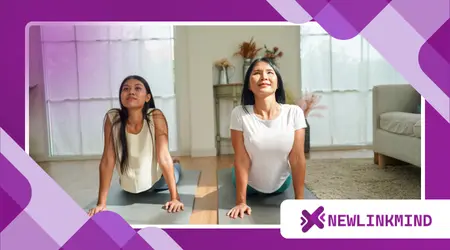
Achieving a profound Mind-Body Connection and Awareness Boost through a home yoga practice requires more than just physical movement; it demands intentionality, consistency, and a mindful environment.
Summary
- Moving beyond the mechanics of home-based yoga.
- The neurological bridge between breath and thought.
- Engineering a space that mirrors internal goals.
- Decoding which styles actually shift your perspective.
- Integrating biofeedback without losing the soul of the practice.
What is the Role of Yoga in Enhancing Mind-Body Connection?
Yoga is less about the flexibility of your hamstrings and more about the elasticity of your nervous system. It acts as a bridge, transforming conscious effort into involuntary physiological calm and deeper self-regulation.
By anchoring your focus to the breath, you begin to observe internal sensations without that reflexive, often harsh, judgment. It is an exercise in becoming an objective spectator of your own physical existence.
Modern neuroscience suggests that these specific postures stimulate the parasympathetic nervous system, effectively muting the “noise” of cortisol. Your brain eventually learns to interpret physical stillness as a reliable signal for mental clarity.
Practicing at home strips away the performative layer of a public studio. You are left with a raw, honest dialogue with yourself, allowing for a movement pace that feels intuitive rather than dictated.
How Does Yoga Facilitate a Lasting Awareness Boost?
There is a distinct mental friction that disappears when you synchronize Pranayama with movement. This alignment sharpens cognitive focus, ushering in a “flow state” that naturally starves intrusive thoughts of their power.
Proprioception—the silent sense of where your limbs are in space—is often neglected in our sedentary lives. Refining your alignment on the mat builds a sharp, tactile intelligence that stays with you long after the session.
Neuroplasticity is the quiet engine behind this transformation. Repeated mindful movements don’t just stretch muscles; they reinforce the neural highways of self-awareness, eventually making mindfulness a default setting rather than a chore.
By carving out a corner of your home for this work, you create an environmental anchor. This physical space becomes a psychological trigger, signaling to your brain that it is time to shift into deep reflection.
Why is Home Practice Effective for Emotional Intelligence?
There is something profoundly different about holding a difficult pose when no one is watching. In the privacy of your living room, you can explore emotional releases without the subconscious pressure of social conformity.
This radical autonomy fosters a genuine sense of agency. Navigating physical challenges in solitude teaches you to rely on internal strength, which is the cornerstone of true resilience and self-trust.
According to the National Center for Complementary and Integrative Health, yoga improves stress management through these self-directed techniques. These benefits feel more integrated when they happen in the same space where you live and work.
Consistency at home encourages a subtle, constant “checking in” with yourself. This isn’t just about fitness; it’s a proactive mental health strategy that prevents the slow accumulation of burnout throughout your week.
Which Yoga Styles Provide the Best Awareness Boost?
Finding the right lineage is a bit like tuning a radio; you’re looking for the frequency that resonates with your current mental state. Each style offers a different lens for viewing your internal landscape.
++ Somatic vs. Traditional Yoga: Which one is better for anxiety relief?
| Yoga Style | Primary Focus | Best For | Awareness Level |
| Hatha | Fundamental Poses | Stability & Foundation | Moderate |
| Vinyasa | Fluid Transitions | Breaking Mental Stagnation | High |
| Yin Yoga | Connective Tissue | Confronting Stillness | Very High |
| Kundalini | Breath & Energy | Intense Sensory Focus | Maximum |
Hatha serves as a grounding force for those who feel scattered, emphasizing the architecture of each pose. Vinyasa, conversely, demands presence through movement, forcing the mind to keep up with the body’s rhythm.
Read more: Yoga at Home for Boosting Immunity and Overall Vitality
Yin yoga is perhaps the most psychologically challenging style. Staying still for several minutes in a deep stretch forces you to confront the urge to escape, building a rare type of mental fortitude.
How Can Biofeedback Technology Enhance Home Yoga? Mind-Body Connection and Awareness Boost
As we move through 2026, the line between ancient wisdom and data has blurred significantly. Wearable tech now allows us to quantify the Mind-Body Connection and Awareness Boost using real-time heart rate variability metrics.
These sensors provide a mirror for your nervous system, showing you exactly when your breath begins to shallow. Integrating this data with your movement turns a subjective feeling into a visible, manageable roadmap for health.
Next-generation smart mats now offer haptic feedback, gently correcting your alignment without the need for a screen. This technology acts as a silent coach, ensuring safety while keeping you immersed in the meditative experience.
++ Meditation for Seniors to Reduce Mental Noise and Rumination
Using these tools doesn’t make the practice “robotic”; it provides the feedback necessary to refine your internal awareness. You can finally see the tangible proof of your stress levels dropping in real-time.
What are the Essential Elements of a Home Yoga Space?
Your environment is an extension of your mind, so a cluttered room usually leads to a cluttered practice. The goal is to create a sanctuary that feels distinct from the rooms where you answer emails or do chores.
Lighting is often an afterthought, yet it dictates your biological state. Soft, indirect light mimics the transitions of dusk or dawn, helping your brain move into a state of receptive, quiet presence.
Engage the senses with intention rather than habit. Whether it’s the scent of cedar or a specific ambient frequency, these sensory cues act as a shortcut, telling your body exactly when it’s time to let go.
Organization is a form of respect for the practice. Keeping your props within reach ensures that you don’t break your mental focus to hunt for a block or a strap mid-session.
When is the Best Time to Practice for Maximum Awareness?
Morning practice is a preemptive strike against the day’s stress. Moving at sunrise aligns your body with its natural circadian rhythms, ensuring your first thoughts of the day are centered and intentional.
Evening sessions, however, are about the art of “unlearning” the day. Slow, restorative stretches help decompress the spine and the mind, facilitating a deeper transition into the restorative phases of sleep.
The clock matters less than the commitment. Whether it’s a full hour or a ten-minute “micro-practice” during lunch, the magic lies in the regularity of the effort rather than the duration of the session.
These brief interludes of movement can serve as a vital reset button. Even a few minutes of conscious breathing can shift your perspective, turning a chaotic afternoon into a manageable and focused one.
The pursuit of a Mind-Body Connection and Awareness Boost isn’t a destination you reach; it’s a skill you refine. By reclaiming your home as a space for self-discovery, you bypass the barriers of modern life.
The autonomy of a solo practice allows for a level of honesty that is hard to find elsewhere. You become the architect of your own well-being, learning to decode the signals your body has been sending all along.
This journey requires patience and a willingness to sit with discomfort, but the payoff is a resilient, centered version of yourself. Your mat is the one place where you don’t have to “do”—you just have to be.
To see how these practices fit into a broader clinical context, explore the Mayo Clinic Health System research on how yoga fundamentally alters long-term wellness outcomes.
FAQ
Is it normal to feel frustrated during home yoga?
Frustration is actually a sign of progress; it means you are becoming aware of your mental habits. Use that feeling as a data point rather than a reason to stop.
Can I practice yoga if I’m not flexible?
Flexibility is the result of yoga, not the prerequisite. The goal is to improve your range of motion and mental clarity from wherever your starting point happens to be today.
How do I stay motivated without a teacher?
Focus on how you feel after the practice rather than the effort of starting. Setting a small, non-negotiable daily goal often works better than aiming for long, sporadic sessions.
Are there risks to practicing alone at home?
The primary risk is pushing beyond your limits without guidance. Always prioritize comfort and stable alignment over “perfect” looking poses to ensure your practice remains sustainable and injury-free.
++ Mind-Body Connection: Enhancing Self-Awareness Through Yoga