
Brain-Calming Meditations for Seniors with Overthinking
advertisements
Brain-Calming Meditations for Seniors. The relentless churn of worries, regrets, and hypothetical scenarios—often described as overthinking—can become a constant companion, particularly as we navigate our senior years.
Yet, a simple, powerful antidote exists: Brain-Calming Meditations for Seniors. This isn’t just a trend; it’s a scientifically supported method to reclaim peace.
What Exactly is Overthinking and Why Does it Affect Seniors?
Overthinking, or rumination, is getting stuck in a loop of negative or anxious thoughts. It involves dwelling excessively on past events or future concerns.
For seniors, several factors can amplify this mental noise. Changes in routine, health challenges, or grief often trigger this hyperactive internal dialogue.
Our brains are naturally inclined to solve problems, but overthinking is problem-solving gone rogue. It depletes our energy without yielding solutions.
advertisements
It’s like an old engine that keeps running even after the car is parked, constantly wasting fuel.
The constant stress response can exacerbate existing health issues, making serenity feel elusive. We must address this pervasive mental habit directly.
How Can Brain-Calming Meditations for Seniors Help Quiet a Busy Mind?
Meditation offers a mechanism to gently disengage from the thought spiral. It teaches us to observe thoughts without attachment or judgment.
advertisements
The goal isn’t to stop thinking—an impossible task—but to change our relationship with our thoughts. We become the observer, not the participant.
This practice physically alters the brain over time, fostering a calmer, more resilient mind.
It strengthens the prefrontal cortex, which governs focus and emotional regulation.
A notable 2018 study published in the journal Frontiers in Aging Neuroscience found that mindfulness meditation practiced by older adults was associated with increased gray matter volume in regions related to attention and self-awareness.
This evidence confirms the neuroplastic benefits of consistent practice in later life.
Brain-Calming Meditations for Seniors are truly an investment in cognitive health.
Which Simple Meditation Techniques Are Best for Seniors Who Overthink?
Choosing the right technique is crucial for comfort and consistency, especially for beginners. We want accessibility and immediate calming effects.
The Anchoring Breath Technique: A Gentle Focus
This is arguably the most fundamental and effective technique for breaking rumination. Simply focus all your attention on the feeling of your breath.
Notice the cool air entering your nostrils and the warm air leaving them. If a thought arises, gently acknowledge it and redirect your attention to the breath.
Read more: Chair Meditation for Seniors
This simple act grounds you firmly in the present moment, where overthinking cannot survive. It’s a reliable reset button.
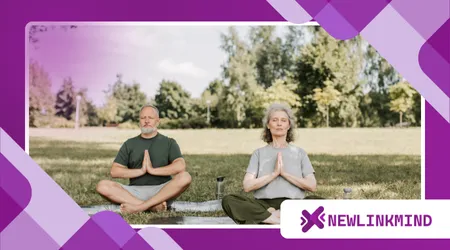
The Sound Awareness Meditation: Letting the World In
This technique uses ambient sounds as an object of focus, ideal for those who find breath concentration difficult. Sit comfortably and simply listen.
Don’t label the sounds (e.g., “car,” “dog”); just experience the raw sensation of the sound waves. Let the sounds arrive and pass, much like your thoughts.
See how interesting: Breathwork for Aging Bodies
Example: A senior who constantly worries about an upcoming doctor’s appointment can use this.
Instead of planning conversations in her head, she listens to the chirping birds outside, drawing her focus outward.
The Mindful Walking Practice: Moving Meditation
If sitting still feels too restrictive, try walking slowly and deliberately. Focus intently on the sensation of your feet connecting with the ground.
Notice the subtle shift in weight, the lift of the heel, and the placement of the toe. This anchors the mind to the physical experience, diverting it from the mental.
Check this out: Workplace Meditation Success Stories
Example: For a gentleman constantly replaying a past professional mistake, a 15-minute mindful walk around his garden becomes a mental break.
Each step grounds him firmly, interrupting the looping memory.
Why is Consistency More Important Than Duration in Meditation?
Many people assume they need to meditate for an hour, which creates immediate resistance. This pressure leads to inconsistency and ultimately quitting.
In reality, short, frequent sessions are far more effective than long, sporadic ones. Aim for three to five minutes, two to three times a day.
Consistency creates a compounding effect, subtly strengthening your ability to stay present. It trains your mind like resistance training builds muscle.
Even a one-minute pause before standing up can become a powerful moment of mindfulness. Are you prioritizing duration over the regularity of your practice?
According to a 2024 analysis by the Centers for Disease Control and Prevention (CDC), approximately 18% of adults aged 65 and over reported having practiced meditation or a similar mindfulness technique in the past year, indicating a growing, yet still underserved, population for this type of health tool. Consistent practice can shift this number.

How Can Seniors Integrate Brain-Calming Meditations for Seniors into Daily Life?
Integration is the key to lasting change. Weave these calming moments into activities you already do without adding new tasks.
| Daily Activity | Moment for Mindful Pause | Technique to Apply |
| Waking Up | Before getting out of bed | 3-minute breath awareness |
| Drinking Tea/Coffee | Holding the warm mug | Sensory focus on temperature/smell |
| Waiting | In a queue or on hold | Sound Awareness Meditation |
| Washing Dishes | The feel of the water/soap | Touch/Tactile Awareness |
These mini-meditations are easily accessible and prevent the mind from accelerating into overdrive. They reinforce the calming muscle throughout the day.
Remember, the goal is not to eliminate all thoughts, but to recognize the ones that don’t serve you.
The practice of Brain-Calming Meditations for Seniors offers freedom from mental tyranny.
Embracing the Quiet Within
Overthinking is not a personal failure; it is a habit of the mind that can be gently retrained.
By adopting simple, consistent meditation techniques, seniors possess a profound tool.
Brain-Calming Meditations for Seniors provide a proven and accessible path toward a quieter, more contented existence. Start small, be patient, and embrace the silence.
Frequently Asked Questions
Is it too late to start meditating in my senior years?
Absolutely not. The brain retains neuroplasticity throughout life. Starting now offers immediate stress reduction benefits and long-term cognitive improvements.
What if I fall asleep while meditating?
If drowsiness is an issue, try practicing a walking meditation or sit in a straight-backed chair instead of lying down.
This indicates you might be very relaxed, but stay upright to maintain attention.
Do I need a special app or class to begin?
A: No, you can start right now with just your breath. While apps and classes can be helpful guides, the most essential tools are already with you: your attention and your breath.