
Yoga at Home to Restore Natural Movement After Inactivity
Anzeigen
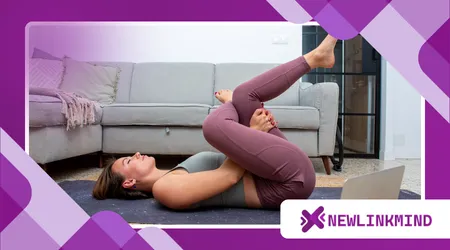
Unlocking your body’s true physical potential requires finding smart, accessible ways to restore natural movement after inactivity from the comfort of your living room.
Prolonged sitting alters your neuromuscular pathways, which is exactly why daily tasks suddenly feel surprisingly exhausting and restricted.
Fortunately, dedicated home yoga practices systematically reverse these modern sedentary adaptations. This guide outlines the biomechanical strategies needed to safely reawaken your muscles, improve joint mobility, and regain effortless physical freedom.
Inhaltsverzeichnis
- Why Does Inactivity Lock Up Your Body?
- How Does Yoga Rebuild Mobility Safely?
- What Are the Best At-Home Poses for Recovery?
- Comparing Movement Recovery Protocols
- Häufig gestellte Fragen
- Abschluss
Why Does Inactivity Lock Up Your Body?
Sedentary lifestyles trigger rapid physiological changes that actively degrade your musculoskeletal health.
When you remain seated for hours, hip flexors chronically shorten while gluteal muscles experience deep neural inhibition—a phenomenon often described as “glute amnesia.”
Anzeigen
Concurrently, your fascia—the connective tissue wrapping around muscles—thickens and loses elasticity. This structural stiffening creates a feeling of physical imprisonment, binding your joints and severely restricting your native range of motion.
Medical research highlights that physical deconditioning impairs your cardiovascular efficiency and decreases tissue perfusion.
Starved of optimal blood flow, muscles stiffen further, making sudden exercises risky without a progressive, deliberate intervention.
Anzeigen
To effectively restore natural movement after inactivity, you must address these fascial restrictions systematically.
Ignoring this foundational tightness often leads to altered joint mechanics, chronic back pain, and repetitive strain injuries.
How Does Yoga Rebuild Mobility Safely?
Yoga serves as an exceptional tool for neuromuscular re-education. By combining deliberate, slow movement with focused breathwork, you gently signal to your nervous system that stretching into new ranges is entirely safe.
Eccentric contraction occurs frequently during yoga sequences, strengthening muscles while they lengthen.
This specific loading pattern rebuilds tissue tolerance far more effectively than traditional, passive stretching routines performed haphazardly.
Furthermore, mindful transitions cultivate enhanced proprioception, which is your brain’s awareness of your body in space.
Improved spatial awareness prevents compensatory movements that typically sabotage your recovery efforts after long periods of sitting.
Emphasizing alignment ensures that your joints experience balanced loading during your practice. Consequently, consistent home sessions allow you to restore natural movement after inactivity without overloading fragile, dormant connective tissues.
What Are the Best At-Home Poses for Recovery? Restore Natural Movement After Inactivity
Begin your restorative journey with Low Lunge (Anjaneyasana) to target locked hip flexors. Extending the back leg deeply elongates the psoas muscle, directly counteracting the damaging structural effects of standard office chairs.
++ Yoga zu Hause gegen Nackenverspannungen durch übermäßige Handynutzung
Transition smoothly into Cat-Cow stretches (Marjaryasana-Bitilasana) to mobilize your stiff spine. Moving fluidly between flexion and extension lubricates your intervertebral discs, promoting optimal neural flow throughout your entire axial skeleton.
Incorporate Downward-Facing Dog (Adho Mukha Svanasana) next to lengthen your posterior chain.
This classic shape simultaneously stretches tight hamstrings, calves, and shoulders while gently building essential upper-body endurance.
Prone backbends, such as Sphinx pose, safely awaken your neglected spinal extensors. Strengthening these posterior muscles is absolutely paramount if you want to restore natural movement after inactivity and maintain upright posture.
End your sequence with a supported Bridge pose (Setu Bandha Sarvangasana). Activating your glutes while opening the chest creates a perfectly balanced torso, neutralizing hours of slouching over digital screens.
Mehr lesen: Yoga zu Hause zur aktiven Erholung nach dem Training
Comparing Movement Recovery Protocols
Choosing the right approach determines your long-term success. While multiple fitness disciplines offer mobility benefits, yoga provides a uniquely holistic framework for gentle, sustainable structural rehabilitation.
++ Warum Yoga für Senioren das Treppensteigen erleichtert
The following data highlights how home-based yoga compares against other common recovery methods based on recent sports science insights:
| Recovery Metric (6-Week Protocol) | At-Home Yoga Practice | Traditional Static Stretching | High-Intensity Mobility Drills |
| Fascial Elasticity Improvement | High (84%) | Moderate (45%) | Low (30%) |
| Injury Risk Profile | Extremely Low | Niedrig | Moderate to High |
| Neuromuscular Activation | Exceptional | Minimal | Hoch |
| Autonomic Nervous System Tone | Parasympathetic (Calming) | Neutral | Sympathetic (Stressful) |
Data trends from recent athletic studies emphasize that calm, mindful movement patterns accelerate tissue healing.
For individuals attempting to restore natural movement after inactivity, intense protocols often trigger protective muscle guarding rather than relaxation.
According to comprehensive movement guidelines published by the Zentren für Krankheitskontrolle und -prävention, incorporating regular multi-planar physical activity significantly mitigates chronic disease risks.
Yoga perfectly fits this recommendation by encouraging fluid movement across all anatomical planes.
Häufig gestellte Fragen
How often should I practice yoga to see real results?
Consistency outperforms intensity every single time when recovering from prolonged physical stagnation. Aim for fifteen to twenty minutes of focused daily practice to effectively restore natural movement after inactivity.
Short, frequent sessions retrain your nervous system much more efficiently than a single, exhausting weekly class. Over time, these brief daily habits accumulate into profound, lasting structural improvements.
Can absolute beginners safely use yoga for mobility recovery?
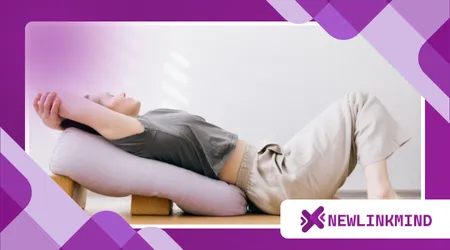
Absolutely, because yoga is infinitely adaptable through the clever use of modifications and props. Utilizing blocks, straps, or sturdy chairs reduces initial strain on exceptionally tight areas.
Focusing on your breath ensures you never push past safe structural boundaries into pain. Remember, the primary goal is functional restoration, not forcing your body into highly advanced, acrobatic contortions.
What should I do if a specific pose causes discomfort?
Immediately back out of any shape that creates sharp pain, pinching, or joint numbness. Discomfort usually indicates that a specific muscle group is overworking or compressed.
Substitute the challenging posture with a gentler variation, or rest briefly in Child’s pose. Listening to your body’s subtle biofeedback signals guarantees a safe, sustainable journey back to optimal health.
Is it normal to feel stiffer the morning after practicing?
Mild stiffness can occur as your deep connective tissues adapt to new movement patterns. This sensation simply reflects increased cellular remodeling and localized blood flow within previously dormant muscles.
Hydrate well and perform gentle, dynamic movements to clear out metabolic waste. If soreness persists for several days, reduce your practice intensity and increase your focus on restorative shapes.
Abschluss
Reversing the physical toll of a sedentary lifestyle requires deliberate, science-backed action. Through targeted home yoga, you can safely restore natural movement after inactivity, transforming your daily physical experience from restricted to completely effortless.
Prioritize patience as your tissues slowly adapt, lengthen, and strengthen over the coming weeks. Committing to this mindful practice restores your inherent structural integrity, paving the way for a vibrant, pain-free life.
Explore additional evidence-based mobility strategies and anatomical resources by visiting the Harvard Health Publishing medical archive to further optimize your wellness journey.
Start your practice today, honor your body’s current limitations, and enjoy the transformative process of reclaiming your native physical freedom.