
Le yoga pour les seniors : améliorer la démarche et faciliter la marche
publicités
Maintaining mobility is a cornerstone of independence as we age, yet subtle changes in balance can make daily movement feel daunting.
Integrating yoga into a wellness routine offers a practical way to improve gait mechanics and walking ease, fostering stability and confidence.
This guide explores how mindful movement transforms your stride, helping you navigate the world with renewed physical freedom.
Summary of Senior Mobility Insights
- The Biomechanics of Aging: Understanding why gait changes over time.
- Yoga’s Functional Role: How specific poses strengthen the posterior chain.
- Balance and Proprioception: Enhancing the brain-body connection for safer strides.
- Practical Yoga Sequences: Targeted movements for immediate walking improvement.
- Evidence-Based Results: Data supporting mind-body interventions for senior health.
What is the Connection Between Yoga and Gait Mechanics?
Aging often dictates a shorter stride and reduced ankle power. These aren’t just clinical observations; they fundamentally alter how a person interacts with their environment, making a simple trip to the grocery store feel like navigating an obstacle course.
Yoga addresses these shifts by prioritizing functional range of motion. It focuses on the hips and ankles—the “hinges” of our movement—which are vital for a fluid, natural walking gait.
publicités
By refining alignment, practitioners learn to distribute weight evenly across the feet. This subtle shift reduces the joint stress often born from years of compensatory walking patterns or chronic pain.
It is less about stretching and more about re-learning how to stand on the earth.
Regular practice encourages the lengthening of tightened hip flexors. For many seniors, these muscles become chronically short from sitting, leading to that characteristic shuffled walk or an increased risk of catching a toe on a rug.
publicités
How Does Yoga Help to Improve Gait Mechanics and Walking Ease?
Think of yoga as a holistic neuromuscular tune-up. It teaches the nervous system to coordinate complex movements while maintaining a stable, upright center of gravity during transitions.
It’s the difference between moving with hesitation and moving with intent.
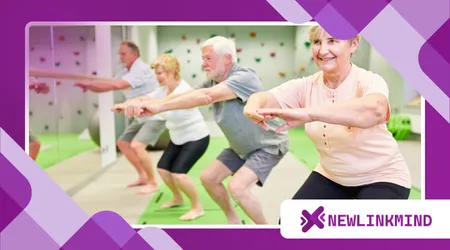
Standard poses like Warrior I and Mountain Pose demand active engagement of the core and glutes.
These aren’t just “beach muscles”; they are the primary stabilizers of the pelvis during the swing phase of a step. Without them, the gait becomes heavy and labored.
Integrating breathwork with movement helps seniors maintain a rhythmic pace. This internal metronome has been shown to improve cadence and overall fluidity when navigating uneven outdoor surfaces or steep stairs.
Consistent stretching of the calves and hamstrings ensures the foot can clear the ground easily.
This mechanical clearance is a fundamental requirement to improve gait mechanics and walking ease, turning a cautious shuffle into a confident stride.
++ Yoga pour seniors avec appui mural pour un entraînement musculaire plus sûr
Why is Proprioception Critical for Seniors’ Walking Safety?
Proprioception is your body’s “sixth sense”—the ability to know where your limbs are without looking at them. This sensory function often dulls with age, leading to that unsettling feeling of instability on your feet.
Yoga challenges this sensory system through standing balances. It forces the brain to process real-time feedback from the soles of the feet and the inner ear’s vestibular system. It’s an internal recalibration that happens one breath at a time.
Enhanced spatial awareness allows for micro-adjustments in posture before a stumble turns into a fall. In this light, yoga isn’t just exercise; it’s a proactive insurance policy against the injuries that often rob seniors of their independence.
Selon les Institut national du vieillissement, balance training is the cornerstone of longevity. It directly correlates with the ability to navigate life safely and autonomously.
Which Yoga Poses Specifically Target Gait Improvement?
The most effective poses for gait enhancement focus on “triple extension”—the simultaneous straightening of the hip, knee, and ankle. This is the “engine” that provides the necessary power for every forward step.
Tree Pose (Vrksasana) is exceptional for strengthening the lateral stabilizers of the hip. It prevents the side-to-side swaying—often called a Trendelenburg gait—seen when the abductor muscle groups have weakened over time.
Downward-Facing Dog, when modified using a chair or wall, provides a deep release for the entire posterior chain.
This creates the necessary “spring” in the step, allowing for a more vigorous and efficient heel-to-toe strike.
En savoir plus: Le yoga pour les seniors : un moyen de préserver leur autonomie et leurs capacités fonctionnelles au quotidien
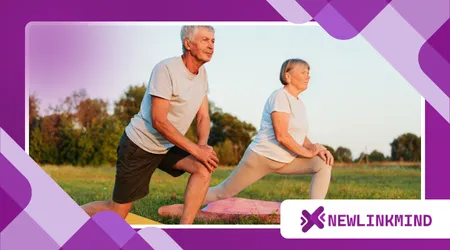
Practicing Goddess Pose builds essential quadriceps strength. This ensures the legs have the endurance required to sustain longer walks without experiencing that heavy, leaden feeling in the limbs by mid-afternoon.
Impact of Yoga on Gait Parameters in Adults Over 65
| Gait Parameter | Pre-Yoga Intervention | Post-Yoga (12 Weeks) | Improvement Type |
| Walking Speed | 0.92 m/s | 1.15 m/s | Increased Velocity |
| Stride Length | 1.10 meters | 1.28 meters | Greater Efficiency |
| Double Support Time | 22% of cycle | 16% of cycle | Better Stability |
| Ankle Range | 12 degrees | 18 degrees | Fluid Push-off |
What are the Long-Term Benefits of Mindful Movement?
Beyond the physical mechanics, yoga fosters “movement confidence.” There is a psychological weight to the fear of falling that causes many seniors to shrink their world, avoiding social engagements or outdoor activities.
When you trust your body to move reliably, you are more likely to stay engaged with your community. This shift is profound; it moves the needle from merely surviving to actually thriving in the later chapters of life.
Maintaining a regular practice ensures the fascia—the connective tissue wrapping our muscles—remains hydrated and elastic.
This prevents the “stiffness” that makes early morning movement feel like walking through wet cement.
++ La méditation au travail pour réduire la réactivité dans les conflits d'équipe
Investing time in these gentle movements allows the body to improve gait mechanics and walking ease naturally. It promotes a lifestyle defined by autonomy rather than the slow encroachment of physical limitation.
When Should Seniors Start a Yoga Program for Mobility?
It is a common misconception that the window for improvement closes at a certain age. In reality, the musculoskeletal system retains its ability to adapt and strengthen well into the nineties, provided it receives the right stimulus.
Starting as soon as you notice a slight decrease in walking speed can prevent the “decline curve” from steepening. It’s much easier to maintain mobility than it is to claw it back after a period of sedentary living.
Consulting with a professional who understands geriatric physiology ensures the movements are tailored to specific conditions like osteoarthritis or spinal stenosis. Adaptation is the key to safety and progress.
Establishing a routine of just fifteen minutes daily can yield noticeable results in balance. Consistency is the secret sauce here; the body responds far better to frequent, gentle reminders than to occasional, intense efforts.
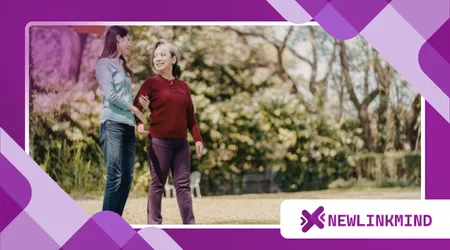
How to Safe-Proof Your Yoga Practice at Home? Improve Gait Mechanics and Walking Ease
Safety shouldn’t be an afterthought. Seniors should always utilize props—sturdy chairs, yoga blocks, or a reliable wall—to provide support during standing postures. There is no prize for balancing without help if it risks a fall.
Removing area rugs and ensuring a non-slip surface creates a controlled environment. When the fear of slipping is removed, the mind is free to focus entirely on the quality of the movement.
Listening to the body’s internal signals is non-negotiable. Yoga should never feel sharp or electric. It should feel like a slow opening, a mild muscular “work” that leaves you feeling more spacious rather than depleted.
By prioritizing these safeguards, you can confidently explore new ranges of motion that eventually improve gait mechanics and walking ease during your daily strolls or travels.
Walking Toward a Brighter Future
Integrating yoga into a weekly wellness plan is a scientifically sound strategy for any senior looking to protect their musculoskeletal health. It’s an investment in your future self that pays dividends in every step you take.
The combination of strength, flexibility, and heightened awareness provides a comprehensive foundation for life. It helps improve gait mechanics and walking ease regardless of your previous athletic experience or current age.
Embracing these techniques allows you to navigate the world with grace and a renewed sense of physical freedom.
It’s about more than just walking; it’s about moving through life with dignity and strength.
For more information on clinical studies regarding senior mobility and holistic health, visit the Blog santé de la faculté de médecine de Harvard for expert medical perspectives.
Common Questions
Does yoga help with Parkinson’s-related gait issues?
Yoga can improve postural stability and reduce “freezing” episodes. It trains the brain to use rhythmic cues to initiate and sustain fluid walking patterns, which is vital for neurological health.
À quelle fréquence dois-je m'entraîner pour voir des résultats ?
Most clinical observations suggest that practicing for 30 to 45 minutes, three times per week, produces significant improvements in balance and walking speed within about two months.
Can I do yoga if I have severe arthritis?
Yes, chair yoga is an excellent alternative. It provides the same neuromuscular benefits without putting excessive pressure on sensitive or inflamed weight-bearing joints like the knees and hips.
Is yoga better than simple walking?
They work best together. While walking provides cardiovascular benefits, yoga provides the structural alignment and muscle balance necessary to improve gait mechanics and walking ease.
Dois-je être flexible pour commencer ?
Not at all. The goal of senior yoga isn’t to touch your toes; it’s to increase your current functional range of motion so that daily activities become easier and safer.
++ Yoga for Seniors: A Gentle Path to Health, Balance and Wellbeing