
Yoga para idosos: fortalece os tornozelos e previne a instabilidade.
anúncios
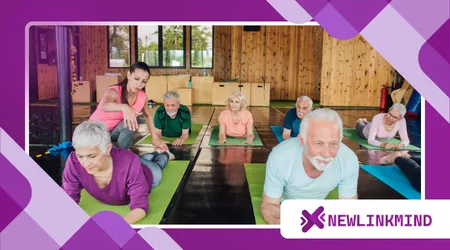
A prática de ioga é um método estratégico para fortalecer os tornozelos e prevenir a instabilidade, proporcionando aos idosos a base estrutural necessária para manter a mobilidade ao longo da vida e a movimentação independente.
Resumo sobre saúde dos pés em idosos
- Entendendo a fraqueza do tornozelo e a perda de propriocepção relacionadas à idade.
- A biomecânica de como a ioga reforça a estabilidade articular.
- Posturas específicas desenvolvidas para fortalecimento e equilíbrio.
- Protocolos de segurança e equipamentos para profissionais idosos.
- Benefícios comprovados cientificamente da prática consistente de ioga para os membros inferiores.
Por que os idosos precisam fortalecer os tornozelos e prevenir a instabilidade?
O envelhecimento naturalmente reduz a margem de erro em nosso sistema musculoesquelético. Embora a densidade óssea e a massa muscular sejam frequentemente o foco das discussões sobre saúde, a sutil atrofia dos músculos estabilizadores dos membros inferiores é o que realmente compromete a vida diária.
A fraqueza aqui é mais do que uma falha física; é uma perda de confiança. Quando escolhemos conscientemente fortalecer os tornozelos e prevenir a instabilidade, estamos essencialmente recalibrando o GPS interno — o feedback proprioceptivo — entre nossos pés e o cérebro.
A ioga preenche a lacuna entre a força bruta e a agilidade neurológica. Ao praticar sequências específicas, os idosos aprimoram a "recuperação de oscilação", aquela capacidade instantânea de se equilibrar após um tropeço ou um passo em falso em uma calçada irregular.
Quais são as posturas de ioga mais eficazes para dar suporte aos tornozelos?
A postura da montanha (Tadasana) pode parecer "apenas ficar em pé", mas é o modelo definitivo para o alinhamento estrutural. Ela exige que você distribua o peso pelos quatro cantos dos pés com precisão cirúrgica.
A postura da árvore (Vrksasana) introduz um elemento necessário de caos. Ela força os pequenos músculos estabilizadores ao redor da articulação talocrural a se contraírem rapidamente, o que ajuda a fortalecer os tornozelos e prevenir a instabilidade por meio de correção ativa em tempo real.
A postura do Guerreiro II (Virabhadrasana II) desenvolve um tipo diferente de resiliência. Manter essa postura ampla e firme no chão desenvolve a resistência isométrica necessária para sustentar as articulações durante longas caminhadas ou períodos em pé em fila.
A postura da cadeira (Utkatasana) é talvez a mais funcional. Ao imitar a mecânica de sentar e ficar em pé, ela trabalha a dorsiflexão — a capacidade do tornozelo de flexionar para cima — que costuma ser a primeira coisa que se perde com o envelhecimento sedentário.
Dados de Conselho Nacional sobre o Envelhecimento (NCOA) Destaca uma realidade preocupante: as quedas são a principal causa de lesões em idosos. Cuidar da saúde das articulações não é apenas uma questão de "condicionamento físico"; é uma estratégia defensiva vital.
Como a ioga melhora a propriocepção articular em idosos?
A propriocepção é frequentemente descrita como nosso “sexto sentido”, a inteligência silenciosa que sabe onde estão nossos membros sem que precisemos olhar para eles. A ioga aguça esse sentido, transformando cada passo em um ato deliberado de concentração.
O sistema nervoso é notavelmente plástico, mesmo em décadas posteriores. A prática de asanas cria novas vias neurais que permitem ao corpo fortalecer os tornozelos e prevenir a instabilidade Automaticamente, mesmo quando sua mente está em outro lugar.
A carga constante na articulação faz mais do que desenvolver músculos; ela engrossa os tecidos conjuntivos. Isso cria uma espécie de "suporte interno" fisiológico que oferece muito mais proteção do que qualquer manga de neoprene jamais poderia.
++ Yoga para idosos com neuropatia: exercícios suaves de consciência corporal.
Além disso, a ioga incentiva a abertura natural dos dedos dos pés. Ao alargar a base do pé, você aumenta efetivamente a área de superfície, o que reduz mecanicamente a pressão e o torque exercidos sobre a articulação do tornozelo.

Dados: Impacto do Treinamento de Equilíbrio na Prevenção de Quedas (Projeções para 2026)
| Tipo de intervenção | Melhora no equilíbrio | Redução do risco de quedas | Frequência recomendada |
| Yoga direcionada | 35% | 42% | 3 vezes por semana |
| Caminhada em geral | 12% | 15% | Diário |
| Treinamento de resistência | 28% | 30% | 2 vezes por semana |
| Tai Chi | 32% | 40% | 3 vezes por semana |
Quais precauções de segurança os idosos devem seguir durante a prática de exercícios?
Uma parede ou uma cadeira pesada não são sinal de fraqueza; são ferramentas para um envolvimento mais profundo. O uso de acessórios permite que você se concentre na ativação muscular sem a adrenalina que uma possível queda pode causar.
Existe uma linha tênue entre "trabalho" e "aviso". Embora a fadiga muscular seja esperada, qualquer sensação aguda ou de beliscão na articulação é um sinal para parar imediatamente e reavaliar o alinhamento.
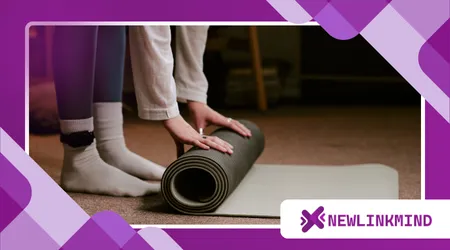
Uma boa aderência é imprescindível. Seja praticando descalço sobre um tapete antiderrapante ou usando meias de ioga especiais, garantir que sua base não deslize é o primeiro passo para uma boa postura. fortalecer os tornozelos e prevenir a instabilidade eficazmente.
Leia mais: Yoga para idosos para manter a independência e as atividades diárias
A respiração regula o sistema nervoso. Prender a respiração cria tensão interna que pode causar tonturas, portanto, manter um fluxo de ar constante e rítmico é essencial tanto para o equilíbrio quanto para a resistência.
Quando você verá resultados com uma rotina de ioga focada nos tornozelos?
A paciência é fundamental. Embora os músculos se adaptem relativamente rápido, os ligamentos e tendões que garantem a integridade das articulações operam em um ritmo biológico mais lento, geralmente apresentando mudanças significativas após seis semanas.
A consistência é o motor do progresso. Praticar uma rotina de exercícios pelo menos duas vezes por semana mantém o sistema neuromuscular preparado, evitando o ciclo de "um passo para frente, dois para trás" característico do treinamento inconsistente.
Os primeiros sinais de sucesso costumam ser invisíveis. Você pode simplesmente se sentir menos "pesado" nos pés ou perceber que não se apoia mais no corrimão com tanta urgência.
++ Meditação no local de trabalho para concentração profunda em ambientes com distrações
À medida que suas sessões se acumulam, a duração que você consegue manter uma postura aumentará naturalmente. Essa resistência é uma manifestação física do seu comprometimento com a prática. fortalecer os tornozelos e prevenir a instabilidade por meio de prática disciplinada.
Qual o papel da flexibilidade na prevenção de lesões no tornozelo?
Força sem mobilidade é uma receita para o desastre. Um tornozelo rígido não tem a flexibilidade necessária para absorver impactos, tornando-o muito mais suscetível a fraturas ou entorses graves sob pressão.
A postura do Cachorro Olhando para Baixo (Adho Mukha Svanasana) continua sendo o padrão ouro para a flexibilidade da panturrilha.
As panturrilhas abertas aliviam a tensão mecânica no tendão de Aquiles, facilitando o movimento. fortalecer os tornozelos e prevenir a instabilidade Sem esforço.
Movimentos simples, como círculos com o tornozelo, servem como preparação para a articulação. Essas rotações estimulam a produção de líquido sinovial, proporcionando a lubrificação necessária para movimentos suaves e sem dor ao longo do dia.
Um tornozelo resistente é um tornozelo equilibrado. Ao combinar força com amplitude total de movimento, você cria uma articulação capaz de girar, absorver impactos e sustentar o corpo em qualquer terreno.
Como integrar a ioga para tornozelos na rotina diária? Fortaleça os tornozelos e previna a instabilidade.
Você não precisa de um estúdio ou de uma hora dedicada para perceber uma mudança. Dedicar dez minutos enquanto o chá da manhã fica em infusão para praticar posturas básicas de equilíbrio pode alterar fundamentalmente sua trajetória física.
Aproveite o tempo ocioso do seu dia. Praticar a Postura da Montanha enquanto escova os dentes ou espera uma ligação transforma momentos banais em oportunidades para... fortalecer os tornozelos e prevenir a instabilidade Sem esforço adicional.
No mundo da saúde da terceira idade, a frequência sempre supera a intensidade. Alguns minutos diários de atenção plena trarão resultados muito melhores a longo prazo do que um treino exaustivo e esporádico a cada duas semanas.
Esteja atento às flutuações diárias do seu corpo. Se acordar sentindo-se rígido ou inchado, opte por movimentos feitos sentado. A verdadeira força vem de saber quando se esforçar e quando facilitar a recuperação.
Seguindo em frente
Optar por focar na sua base física é um ato radical de autocuidado. Quando você trabalha para fortalecer os tornozelos e prevenir a instabilidade, Ao fazer isso, você não está apenas prevenindo uma queda; você está preservando a capacidade de caminhar pelo mundo em seus próprios termos.
O yoga fornece a estrutura, mas a sua consistência proporciona os resultados. Cada respiração constante e cada postura equilibrada são um investimento na sua mobilidade futura.
Para uma análise mais aprofundada sobre cuidados geriátricos integrados, o Sociedade Americana de Geriatria Oferece conhecimentos clínicos que preenchem a lacuna entre a medicina tradicional e o bem-estar holístico.
Perguntas frequentes
Posso fazer esses exercícios se tiver artrite?
A prática de ioga é frequentemente recomendada para articulações artríticas, pois estimula o movimento sem impacto excessivo. No entanto, uma consulta rápida com seu médico é sempre o primeiro passo mais seguro.
Preciso de um professor de ioga profissional?
Embora muitos obtenham sucesso com vídeos caseiros, um instrutor presencial pode identificar desalinhamentos sutis que você poderia não perceber. Mesmo algumas sessões profissionais podem fornecer uma base mais segura para a prática em casa.
Será que é tarde demais para começar a praticar ioga aos 70 anos?
A idade raramente é um obstáculo para o equilíbrio. Muitos praticantes mantêm as pernas em forma mesmo depois dos oitenta anos, provando que o corpo continua capaz de se adaptar e se fortalecer independentemente do ano de nascimento.
Devo usar sapatos durante a prática de ioga?
A prática tradicional de yoga é feita descalço para melhor ativar os pequenos músculos dos pés. Se você tem dores intensas nos pés, procure por sapatos de estúdio com sola fina e flexíveis que ofereçam proteção sem bloquear a percepção sensorial.
++ 3 exercícios essenciais para fortalecer os tornozelos que você tem ignorado.
++ Os 10 melhores exercícios para os pés e tornozelos para idosos