
Yoga em casa para aliviar a dor no pulso causada pela digitação e pelo uso de dispositivos eletrônicos.
anúncios
Wrist Pain from Typing and Device Use has evolved from a workplace nuisance into a defining health crisis of 2026, forcing a generation of digital professionals to confront the physical toll of our hyper-connected lives.

Resumo
- The hidden biomechanics of repetitive digital strain.
- Why standard stretching often misses the mark.
- A curated yoga sequence for deep wrist restoration.
- Practical data on ergonomic recovery.
- Cultivating a sustainable home-based movement ritual.
What Is the Main Cause of Wrist Pain from Typing and Device Use?
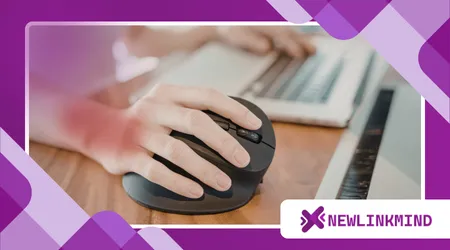
We often view our hands as isolated tools, but the reality is far more integrated. The nagging discomfort you feel isn’t just about your fingers hitting keys; it is a symptom of prolonged static loading and micro-friction.
As we navigate 2026, ergonomics research has shifted its focus. We now understand that the “tech-slump” in our shoulders creates a downstream effect, strangling nerves long before they reach the palm.
This constant tension on the median nerve doesn’t just happen. It is built through hours of unconscious bracing. Yoga steps in here, not just as a stretch, but as a systematic reopening of the body’s kinetic chain.
How Does Yoga Relieve Wrist Pain from Typing and Device Use?
Most people make the mistake of over-stretching an already irritated joint. Yoga, when practiced with intent, prioritizes eccentric strengthening—building a resilient “sleeve” of muscle around the delicate carpal bones.
anúncios
By introducing controlled weight-bearing, we aren’t just taxing the joint; we are inviting synovial fluid to lubricate the machinery. It is the difference between forcing a rusty hinge and oiling it properly.
There is also a psychological layer to this. Modern yoga trains the brain to spot the “death grip” on a mouse or stylus. You start to notice the tension in real-time, allowing for a release before the inflammation takes hold.
Which Yoga Poses Are Best for Desk Workers?
The following movements are selected specifically to reverse the internal rotation of the “keyboard hunch.” These aren’t just poses; they are tactical interventions for your nervous system.
anúncios
1. The Broken Wing (Pec Minor Release)
This is essential. By pinning one arm at a 90-degree angle against the floor while lying prone, you target the chest muscles that pull your shoulders forward. If the chest is tight, the wrists never stand a chance.
++ Yoga em casa para aliviar a rigidez nos quadris causada pelo trabalho sentado o dia todo.
2. Reverse Prayer (Paschim Namaskarasana)
Tucking your hands behind your back in a prayer position is an immediate antidote to typing. It forces the collarbones to spread and decompresses the nerve pathways that lead directly to your fingertips.
3. Tabletop Forearm Stretch
Leia mais: Yoga somática versus yoga tradicional: qual é a melhor para aliviar a ansiedade?
From all fours, rotate your hands so the fingers point back toward your knees. The key here isn’t intensity; it’s the slow, rhythmic shifting of weight that coaxes the flexors into a state of surrender.
Essential Recovery Metrics
| Yoga Intervention | Primary Target | Physiological Impact |
| Cachorro olhando para baixo | Posterior Chain | Joint decompression through natural traction. |
| Eagle Arms | Rhomboids | Frees the “nerve tunnel” between shoulder blades. |
| Cow Face Arms | Triceps/Shoulders | Corrects the vertical alignment of the humerus. |
| Wrist Circles (Slow) | Carpal Bones | Stimulates synovial fluid and joint mobility. |
For those looking for a clinical perspective on how these nerves function under pressure, the Mayo Clinic provides vital research on nerve entrapment and non-surgical recovery pathways.
Why Is Alignment Critical in Home Practice?
In a home setting, it’s easy to get sloppy. However, the difference between healing and hurting lies in the millimeters. If your fingers are bunched during a pose, you are essentially crushing the pisiform bone.
Think of your hands as a tripod. You want to distribute weight through the “knuckles” of the index finger and thumb, creating a hollow lift in the center of the palm. This protects the carpal tunnel from collapsing.
++ Meditação para idosos que enfrentam sobrecarga sensorial e fadiga.
Dumping weight into the heels of the hands is a common trap. Yoga teaches you to “claw” the mat slightly, engaging the forearms to create a structural bridge that keeps the joint space open.
When Should You Practice Yoga for Prevention?
No contexto de Wrist Pain from Typing and Device Use, three minutes of mindful movement every hour is infinitely more valuable than a ninety-minute session on Sunday. Cumulative trauma requires cumulative care.
Morning sessions are about clearing the “fuzz” from the fascia after sleep. Evening sessions, conversely, focus on flushing metabolic waste and signaling to the nervous system that the “fight or flight” of the workday is over.
The goal is to develop an intuitive feedback loop. If you feel a sharp, electric sensation, that’s your body’s hard “no.” Back off, breathe, and find the edge without crossing it.
What Are the Best Habits for Long-Term Wrist Health? Wrist Pain from Typing and Device Use
Your yoga mat is a laboratory, but your desk is where the real test happens. If your elbows are flared out or your wrists are cocked upward, you are fighting a losing battle against physics.
Hydration is an underrated factor here. Your fascia—the connective tissue wrapping your muscles—is largely water. When you’re dehydrated, it becomes sticky and brittle, making every movement feel like sandpaper on your joints.
Utilizing props like blocks or even a folded towel can transform a practice. These tools aren’t “cheating”; they are ergonomic adjustments that allow you to build strength without compromising an already sensitive joint.
Beyond the Screen
Treating Wrist Pain from Typing and Device Use is less about a single cure and more about a shift in perspective. It’s a commitment to reclaiming the body from the digital grind.
By weaving these movements into the fabric of your day, you transform your workspace from a source of strain into a space of awareness. The tools for recovery are literally in your hands.
To explore further how musculoskeletal health integrates with daily movement, the Associação Americana de Fisioterapia offers extensive evidence-based resources for maintaining long-term physical integrity.
Perguntas frequentes
Can I practice if I already have a diagnosis like Carpal Tunnel?
Yes, but the approach changes. You should focus on poses that don’t require full weight-bearing on the hands, such as forearm planks or seated stretches, until the acute inflammation subsides.
How quickly will the tingling stop?
Consistency is the variable here. Most people feel a significant shift in nerve tension within ten to fourteen days of short, daily targeted sessions.
Are “fists for wrists” a good modification?
Absolutely. Closing the hand into a neutral fist prevents the wrist from bending at a harsh 90-degree angle, which is often the primary trigger for pain during floor work.
Should I stretch during the workday?
Micro-stretches are vital. Even sixty seconds of “shaking out” the hands and performing a gentle Reverse Prayer can reset the tension levels in your forearms and chest.