
The Emotional Landscape of Practicing Yoga at Home: From Restlessness to Inner Peace
advertisements
The Emotional Landscape of Practicing Yoga at Home serves as a profound mirror, reflecting our internal state while navigating the complexities of modern, digital-heavy lifestyles in early 2025.
This comprehensive exploration investigates the psychological shifts, neurobiological benefits, and practical strategies required for emotional mastery.
We analyze domestic environments, specific styles for emotional release, and the science of overcoming persistent mental restlessness.
Summary
- Defining the Experience: Moving from performative studio settings to authentic, private vulnerability.
- The Neurobiology of Peace: How home practice regulates the nervous system and lowers cortisol.
- Styles for Release: Comparing Vinyasa, Yin, and Nidra for specific emotional outcomes.
- Overcoming Barriers: Practical methods to silence the “monkey mind” and handle domestic distractions.
- Progress Tracking: Identifying qualitative markers of inner peace and long-term psychological resilience.
What defines the emotional landscape of practicing yoga at home in 2025?
Modern practitioners increasingly seek refuge within their living spaces to escape the noise of an overstimulated world. Home practice eliminates the performative pressure often found in public studios today.
Our domestic environment provides a unique laboratory for deep self-discovery. Practicing alone forces an honest confrontation with the persistent distractions and emotional echoes that define our daily personal responsibilities.
advertisements
Transitioning from a work mindset to a meditative state requires intentionality. The Emotional Landscape of Practicing Yoga at Home transforms when we designate a specific corner as a sacred sanctuary.
Authenticity flourishes when no one is watching your alignment. You gain the freedom to grunt, cry, or hold a pose longer, facilitating a deeper catharsis that group classes rarely permit.
Digital integration also plays a pivotal role in this landscape. High-quality streaming and AI-guided adjustments offer professional support while maintaining the privacy essential for significant emotional breakthroughs and healing.
advertisements
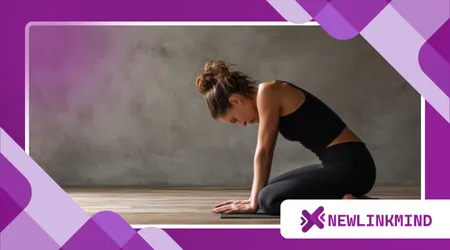
Why do practitioners often face restlessness before reaching inner peace?
Initial resistance often manifests as physical fidgeting or racing thoughts. This common “monkey mind” phenomenon stems from the brain’s sudden transition from high-beta activity to more rhythmic alpha waves.
Neuroscientific research indicates that voluntary stillness triggers the parasympathetic nervous system. However, the amygdala often resists this shift, perceiving the sudden quiet as a vulnerability that requires mental scanning.
According to the National Center for Complementary and Integrative Health (NCCIH), yoga effectively modulates stress response systems. Yet, the bridge between external chaos and internal silence remains the most difficult part of the journey.
Practicing at home intensifies this restlessness because the “to-do list” is physically present. You see the laundry or the unwashed dishes, which anchors your consciousness to chores instead of breath.
Acknowledging this agitation is the first step toward dissolving it. When you stop fighting the restlessness, you strip away its power, allowing the nervous system to finally settle into stillness.
How does a home yoga environment impact emotional regulation?
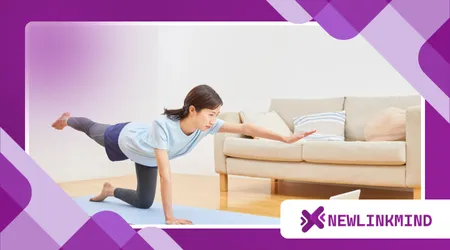
Your home environment acts as an external nervous system. When your space is cluttered, your mind mirrors that fragmentation, making The Emotional Landscape of Practicing Yoga at Home feel turbulent.
Intentional lighting and scent can anchor the brain into a state of readiness. Utilizing specific sensory triggers helps the subconscious recognize that the time for external productivity has officially ended.
Read more: The Weekend Reset
Psychological safety remains the primary benefit of the home setting. Without the “social gaze” of other students, the body releases tension more readily, improving the efficacy of every single posture.
Consistency in the same physical spot creates a Pavlovian response. Eventually, simply stepping onto your mat signals the brain to lower heart rate and initiate the relaxation response almost automatically.
This environmental control empowers the practitioner to curate their healing. You can choose the music, the temperature, and the duration, ensuring the practice meets your specific emotional needs that day.
Which specific yoga styles best facilitate emotional release at home?
Different styles target various layers of the psyche. Choosing the right modality is crucial for navigating The Emotional Landscape of Practicing Yoga at Home with efficacy and personal purpose.
Vinyasa yoga works best for processing “hot” emotions like anger or frustration. The fluid, demanding movement burns off excess adrenaline, leaving the practitioner exhausted but emotionally cleared and significantly calmer.
See how interesting: How to Build a Home Yoga Routine from Scratch
Yin yoga focuses on the deep connective tissues where we often store trauma. Holding passive poses for several minutes encourages the release of suppressed feelings through steady, mindful, and long-term observation.
Restorative yoga provides a “soft landing” for those experiencing burnout or grief. It uses props to support the body entirely, allowing the mind to feel safe enough to let go.
The following table outlines how different practices impact emotional metrics based on 2024-2025 wellness data:
Emotional Impact of Home Yoga Styles
| Yoga Style | Primary Emotional Benefit | Nervous System State | Best For |
| Vinyasa | Stress Discharge | Sympathetic to Parasympathetic | Anxiety & High Energy |
| Yin Yoga | Trauma Release | Deep Parasympathetic | Emotional Blockages |
| Restorative | Mental Recovery | Ventral Vagal Stabilization | Burnout & Exhaustion |
| Yoga Nidra | Subconscious Healing | Theta Wave State | Insomnia & Deep Grief |
What are the primary psychological barriers to starting a home practice?
Procrastination often masks a fear of what we might discover in the silence. We use “busyness” as a shield against the heavy emotions that surface when we finally sit still.
++ How to Combine Yoga and Meditation in Your Morning Routine
Decision fatigue also complicates The Emotional Landscape of Practicing Yoga at Home. Without a teacher present, the mental effort required to sequence a class can feel overwhelming after a long workday.
The lack of communal accountability makes skipping sessions much easier. Overcoming this requires shifting your motivation from “exercise” to “essential mental hygiene,” treating the practice like a non-negotiable medical appointment.
Self-criticism frequently arises when we struggle with poses alone. We must learn to replace the internal judge with a curious observer, fostering a sense of self-compassion that transcends physical ability.
Building a habit requires lowering the barrier to entry. Starting with just ten minutes of conscious breathing can bypass the brain’s resistance, eventually leading to a full and rewarding practice.
How can practitioners measure emotional progress during their journey? The Emotional Landscape of Practicing Yoga at Home
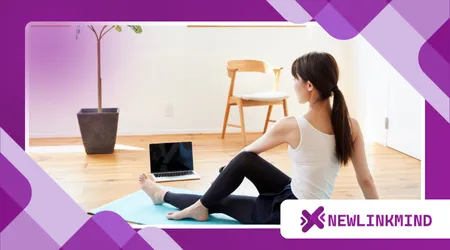
Progress in yoga is rarely a straight line. Instead of measuring flexibility, look for a decrease in the time it takes to return to calm after a stressful domestic or professional event.
You might notice a shift in your internal dialogue. When the “inner critic” becomes less vocal during difficult poses, you are successfully reshaping The Emotional Landscape of Practicing Yoga at Home.
Increased interoception—the ability to feel internal bodily sensations—is a hallmark of progress. Recognizing a tight chest or a clenched jaw early allows you to address stress before it becomes overwhelming.
Quality of sleep often improves as the nervous system becomes more regulated. Deep, restorative rest indicates that the body is no longer trapped in a cycle of chronic, low-grade survival stress.
Finally, a sense of “spaciousness” in the mind signals true growth. You begin to find a gap between a stimulus and your reaction, providing the freedom to choose peace over conflict.
Cultivating the Inner Sanctuary
Navigating The Emotional Landscape of Practicing Yoga at Home is a brave act of self-reclamation. It requires patience to move through the initial restlessness toward the profound peace waiting underneath the surface.
By choosing the right styles and honoring your psychological needs, you turn your living space into a powerhouse of healing.
This journey doesn’t end when you roll up the mat; it transforms how you inhabit your world. For more evidence-based insights on mental health and movement, visit Harvard Health Publishing.
Frequently Asked Questions
How long does it take to feel emotional benefits from home yoga?
Many practitioners report an immediate sense of “lightness” after one session. However, significant changes in emotional regulation usually require consistent practice three times weekly for at least four to six weeks.
Is it normal to cry during a home yoga session?
Yes, emotional release is a scientifically documented phenomenon. Physical stretching of the psoas and hips can trigger the release of stored tension and suppressed emotions, leading to spontaneous crying or laughter.
Do I need expensive equipment to start practicing at home?
Absolutely not. While a non-slip mat is helpful, you can use household items like pillows as bolsters or belts as straps. The focus remains on your internal experience rather than external gear.
Can home yoga replace professional mental health therapy?
Yoga serves as an excellent somatic complement to therapy but should not replace professional medical advice. It helps process emotions physically, while therapy addresses the cognitive and narrative aspects of mental health.